


Abstract
Radiolabeled somatostatin analogs have been shown to be important radiopharmaceuticals for tumor diagnosis and radionuclide therapy. The kidney has appeared to be the critical organ during radionuclide therapy because of peptide reabsorption and retention in the proximal tubules after glomerular filtration. The molecular mechanism of renal reabsorption of these analogs has not been clarified. A possible receptor candidate is megalin, a multiligand scavenger receptor in the renal proximal tubules. The objective of this study was to investigate the role of megalin in tubular reabsorption of radiolabeled somatostatin analogs by using kidney-specific megalin-deficient mice versus mice with normal renal megalin expression. [111In-Diethylenetriaminepentaacetic acid (DTPA)]octreotide was used as a practical model of peptide. Methods: Renal uptake of [111In-DTPA]octreotide was determined by animal SPECT scintigraphy at different time points after injection of the tracer and by measurement of radioactivity after isolation of the organs. Furthermore, ex vivo autoradiography of renal sections revealed the zonal distribution of radioactivity in the megalin-deficient and megalin-expressing kidneys. Results: SPECT scintigraphy of [111In-DTPA]octreotide at 3 and 24 h after injection clearly showed lower renal radioactivity in megalin-deficient kidneys than in megalin-expressing kidneys, both in male and in female mice, in accordance with counts obtained after isolation of the organ (70%–85% reduction of uptake in the megalin-deficient kidneys, P < 0.001). Renal uptake of [111In-DTPA]octreotide was significantly higher in female than in male kidneys (P < 0.001). Ex vivo autoradiograms clearly showed that renal radioactivity was not homogeneously distributed in the megalin-expressing kidneys but localized in the renal cortex. Quantification of the autoradiogram data confirmed the reduced radioactivity in the renal cortex of megalin-deficient kidneys. Conclusion: This study revealed the molecular mechanism of [111In-DTPA]octreotide uptake in renal proximal tubules involving the receptor megalin. Identification of megalin may be crucial for further research into strategies to reduce renal uptake.
Radiolabeled receptor-binding peptides have been shown to be important radiopharmaceuticals for tumor diagnosis and therapy. Radiolabeled somatostatin analogs are successfully applied for visualization of somatostatin receptor–positive tumors, and scintigraphy with [111In-diethylenetriaminepentaacetic acid (DTPA)]octreotide (OctreoScan; Mallinckrodt Inc.) has proven to be a sensitive and specific method to localize somatostatin receptor–positive tumors and their metastases (1). Continuing research is aimed at developing a therapeutic analog taking advantage of the specificity of the receptor binding and the localized radiation dose from the radionuclide linked to the peptide. Apart from short-ranged therapeutic Auger electrons, 111In also emits 2 long-range γ-rays and therefore is not optimal for therapeutic use. [90Y-1,4,7,10-Tetraazacyclododecane-N,N′,N″,N‴-tetraacetic acid (DOTA),Tyr3]octreotide, with the high-energy β-emitter 90Y (mean energy, 0.93 MeV; half-life, 64 h) stably linked in the DOTA-cage, is now clinically being evaluated for peptide receptor radionuclide therapy (PRRT) by various groups (2–8). The promising rate of complete plus partial responses seen in the various [90Y-DOTA,Tyr3]octreotide studies consistently exceeds that obtained with [111In-DTPA]octreotide for radionuclide therapy.
Another β-emitter used for PRRT is 177Lu (half-life, 6.7 d). It emits β-particles with a lower energy (mean energy, 0.13 MeV) than 90Y and γ-rays of 113 keV at 6% per decay and 208 keV at 10% per decay. 177Lu complexed to the somatostatin analog Tyr3-octreotate via the chelator DOTA forms a promising therapeutic compound with excellent therapeutic results in animal models and patient studies (9–11).
During PRRT using somatostatin analogs labeled with the β-emitters 90Y and 177Lu, the kidney is the critical organ because it excretes and partially retains radioactivity, leading to a high renal radiation dose. Lowering renal uptake of radioactivity will allow higher activities to be administered and higher tumor radiation doses to be obtained. Studies on animals and patients have shown that renal uptake of radiolabeled octreotide can be inhibited by administration of the positively charged amino acids lysine and arginine (4,12–15). The effects of these positively charged amino acids can be explained by competition for negatively charged binding sites at the proximal tubule cell surface. We also found that tubular reabsorption of radiolabeled somatostatin analogs requires energy. Injection of 400 mg of maleate per kilogram, which inhibits the citric acid cycle, reduced renal uptake of [111In-DTPA]octreotide by about 74% in rats (12).
The molecular mechanism of uptake of radiolabeled somatostatin analogs in the kidney has not been clarified. Previous in vitro studies using opossum kidney cells and in vivo studies in rats pointed to a role for megalin in reabsorption of radiolabeled octreotide (16,17). Megalin serves as a scavenger receptor for endocytosis of multiple ligands in the kidneys. It is expressed in the proximal tubules, consistent with the localization of renal radioactivity in rat kidneys after injection of radiolabeled somatostatin analogs (18,19).
The aim of this study was to reveal the radioactivity distribution in mouse kidneys and the role of megalin therein by the use of renal megalin-deficient mice (20). These mice have kidney-specific inactivation of the megalin gene. [111In-DTPA]octreotide, a practical model of peptide for the somatostatin analogs currently used for scintigraphy and radionuclide therapy, was injected in kidney-specific megalin-deficient versus megalin-expressing control mice. Renal uptake of radioactivity was determined by animal SPECT scintigraphy at different time points after injection and by measurement of radioactivity using a γ-counter after isolation of the organs. Furthermore, ex vivo autoradiography revealed the zonal distribution of radioactivity in the megalin-deficient and megalin-expressing kidneys.
MATERIALS AND METHODS
Radiolabeling
Commercially available OctreoScan kits of DTPA-octreotide (molecular weight, 1,500) and 111InCl3 were obtained from Tyco Health Care. The radiolabeling procedure was performed in accordance with the standard procedure listed on the package insert. Labeling efficiency was >99%, as confirmed by instant thin-layer chromatography.
Tissue Distribution of 111In-DTPA-Octreotide
Animal experiments were performed in compliance with the regulations of the institutions and with generally accepted guidelines governing such work.
Generation of the mouse model used has been described by Leheste et al. (20). In short, Lox P recombination sites were introduced into the murine megalin gene, and mice carrying the modified receptor gene through their germ line were generated. Animals homozygous for the floxed megalin gene (megalinlox/lox) exhibit normal development and unimpaired viability. In parallel, a mouse model was established with renal expression of Cre recombinase (Cre) using a fragment of the human apolipoprotein (apo) E promoter to drive the Cre transgene (apoECre). Mice doubly transgenic for the floxed megalin gene and the Cre gene (megalinlox/lox; apoECre) were produced by breeding of the individual lines and used in these experiments. Cre-mediated inactivation of the megalin gene in (megalinlox/lox; apoECre) mice resulted in significant reduction of renal megalin expression. No decrease in megalin levels was observed in other tissues expressing the receptor.
In various experiments, male and female kidney-specific megalin-deficient and megalin-expressing mice were injected with [111In-DTPA]octreotide (10–100 MBq, 1–2 μg). Injections were performed intravenously or intraperitoneally. At indicated time points, SPECT scintigrams were made. After euthanasia of the animals at 3 or 24 h after injection, organs were isolated. Radioactivity was measured in isolated organs using a γ-counter. Groups consisted of 2–6 animals. Statistical analysis was performed using the Student t test.
Animal SPECT
SPECT Device.
The animal SPECT device (Linoview Systems) is based on 4 γ-detectors (5.1 × 12.7 cm [2 × 5 in]) based on pixilated CsI(Na) scintillators (5-mm thickness, 2.44 × 2.44 mm pixel size). The intrinsic detector energy resolution at 140 keV is 35%, and the intrinsic sensitivity in an energy window of 35% width centered on the photopeak is 42%. Detectors were equipped with a rake collimator with a tunable slit aperture, composed of 2 iridium square rods (2 × 2 × 60 mm).
Acquisition.
Mice were scanned 3 or 24 h after injection with a collimator width of 0.2–0.4 mm. Two acquisitions of 15 min each were performed, the bed being shifted by 1.22 mm between the 2 acquisitions, resulting in reconstructed transverse slices spaced every 1.22 mm. The orbit ranges of the detectors were set in such a way that the 4 slit apertures would draw the narrowest rectangle possible around the object to be imaged. The distance between the slit aperture and the phantom or the animal boundary was typically about 3 mm. The acquired data were stored in list mode and included the following: detector number, (x, y) event position, event time, and event energy. This linear orbit acquisition generates linograms forming a complete set of tomographic data, that is, sufficient to exactly reconstruct the activity map (21).
Reconstruction.
Events from the list mode file, with an energy within a 50% window centered on the photopeaks, were rebinned to provide linograms. All reconstructions were performed using the maximum-likelihood expectation maximization algorithm without attenuation correction, scatter correction, or spatial resolution recovery (22,23).
Autoradiography
One of the kidneys of each animal was frozen quickly after isolation at 3 or 24 h after injection and processed for cryosectioning and autoradiography. Tissue sections (10 μm) were mounted on glass slides. Several slides were used to make autoradiograms, and adjacent sections were hematoxylin–eosin or periodic acid Schiff stained. The sections were exposed overnight to phosphor imaging screens (Packard Instruments Co.) in radiographic cassettes. The screens were analyzed using a Cyclone phosphor imager and a computer-assisted OptiQuant 03.00 image processing system (Packard Instruments Co.).
Immunohistochemistry
Frozen sections were fixed with 10% formalin and used for indirect immunohistochemical staining for megalin. Primary goat-antirat megalin antibody SC-16478 (Santa Cruz Biotechnology) was incubated at optimal dilution overnight at 4°C. Horseradish peroxidase–conjugated secondary rabbit-antigoat-Ig antibody (DakoCytomation) was incubated for 1 h at room temperature. Staining was achieved with H2O2-activated diaminobenzidine substrate. Nuclei were counterstained using hematoxylin.
RESULTS
Renal Uptake in Male Mice
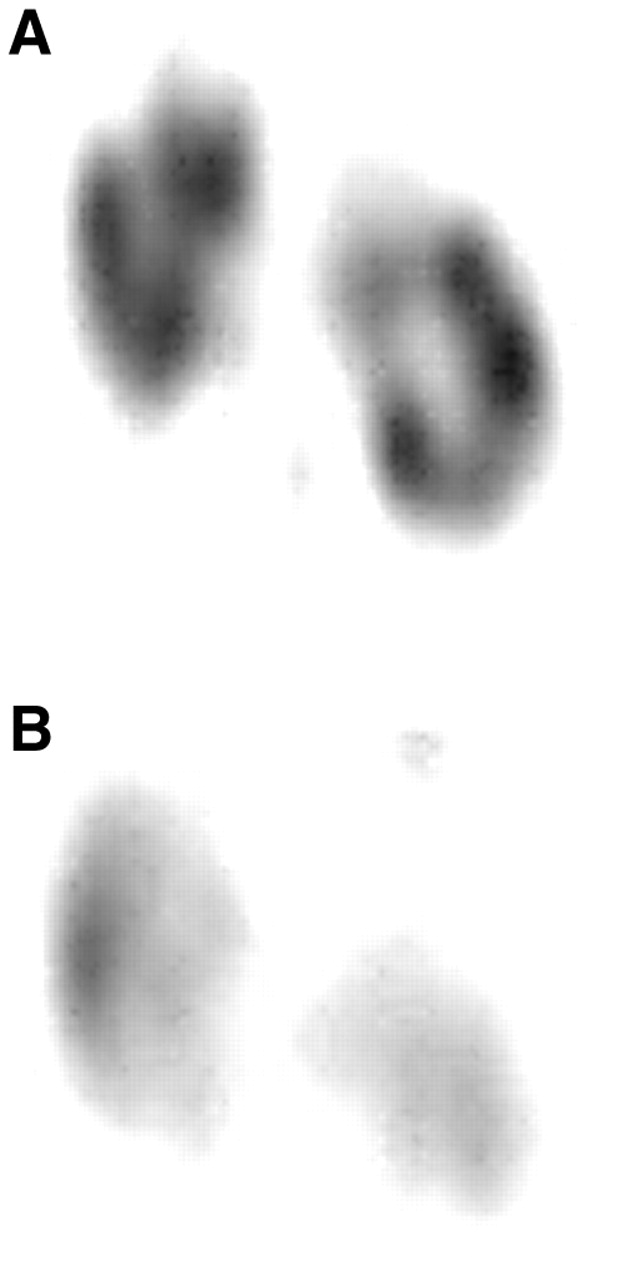
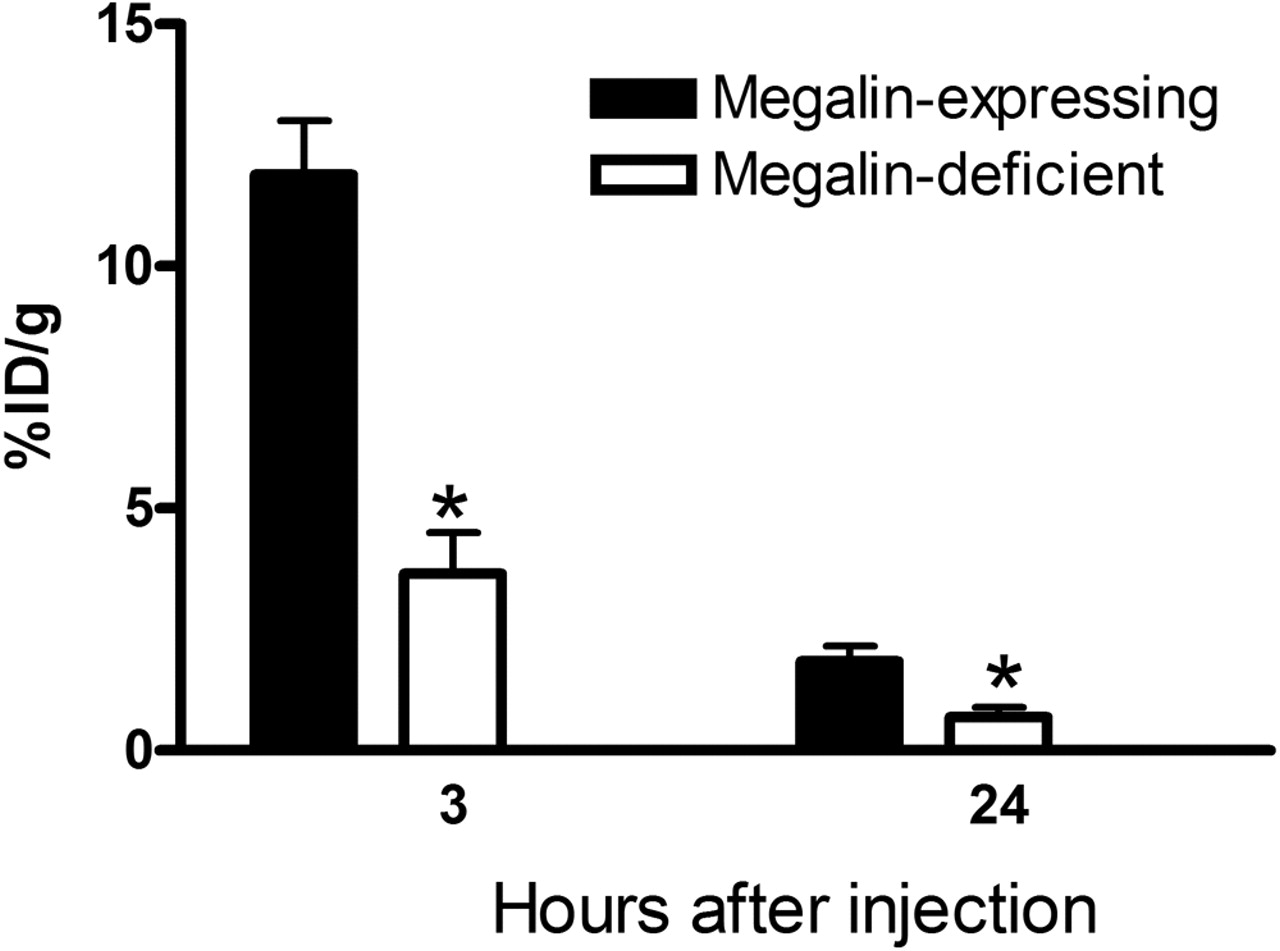
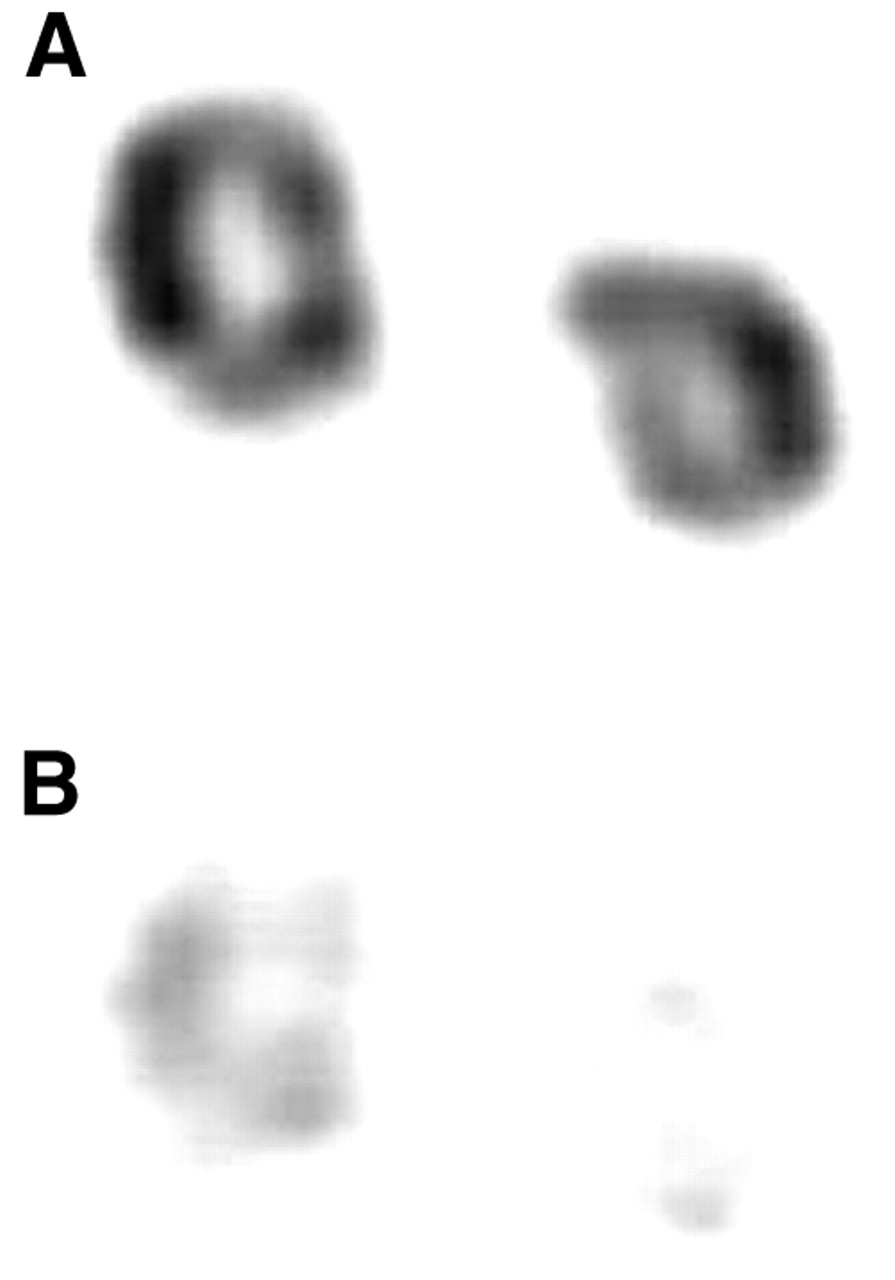
SPECT scintigraphy at 3 h after injection of [111In-DTPA]octreotide in renal megalin–deficient and renal megalin–expressing male mice (Fig. 1) showed that radioactivity was not homogeneously distributed over the kidney but was concentrated in the cortical area. Furthermore, renal radioactivity was lower in megalin-deficient kidneys than in control kidneys. This finding is in accordance with biodistribution data obtained after isolation and counting of the kidneys at 3 and 24 h after injection (Fig. 2), indicating that injected [111In-DTPA]octreotide was partially reabsorbed after glomerular filtration and retained in megalin-expressing kidneys, whereas uptake in the megalin-deficient kidneys was much lower (P < 0.001 at both time points). In the other organs, both somatostatin receptor positive and somatostatin receptor negative, uptake was not significantly different between mice with megalin-deficient kidneys and mice with megalin-expressing kidneys (data not shown).
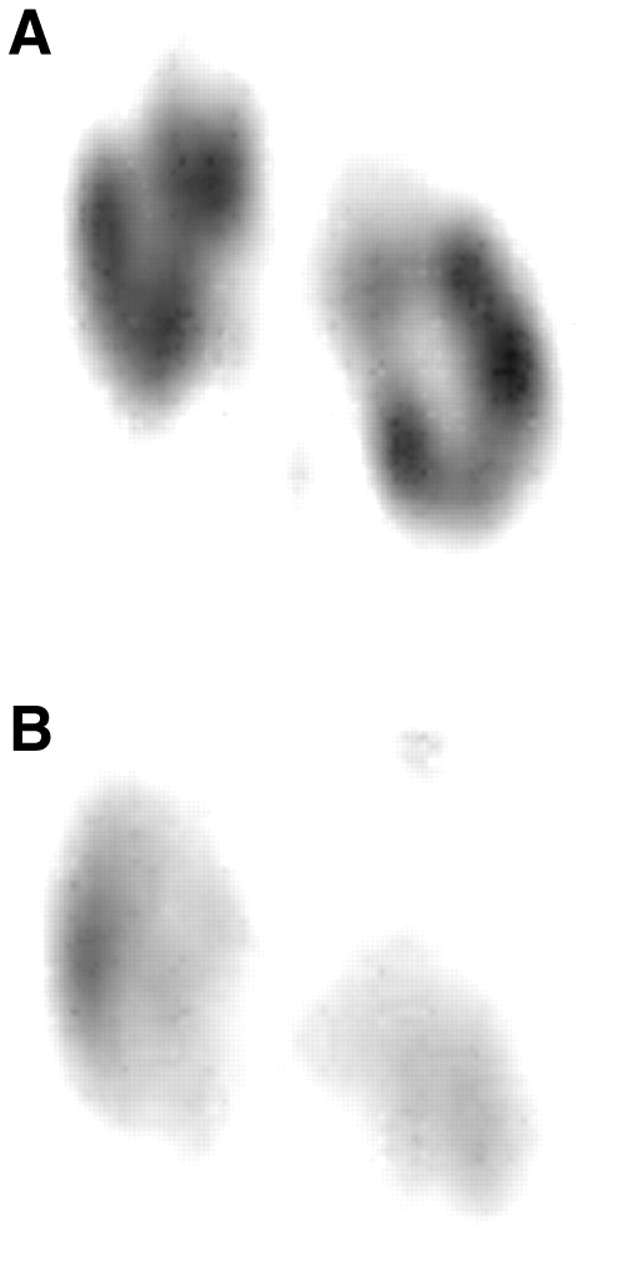
Male megalin-expressing (A) and megalin-deficient (B) kidneys. Images were obtained in a similar way and with the same acquisition time on an animal SPECT device (Linoview Systems) 3 h after injection. Collimator width was 0.2 mm. Two acquisitions of 15 min each were performed, the bed being shifted by 1.22 mm between the 2 acquisitions. Reconstructions were performed using the maximum-likelihood expectation maximization algorithm without attenuation correction, scatter correction, or spatial resolution recovery.

Renal uptake of [111In-DTPA]octreotide in renal megalin-deficient and megalin-expressing male mice 3 and 24 h after intravenous injection. Uptake is expressed as percentage injected dose per gram of kidney (%ID/g) (mean and SD, n = 2–6 for each group). *P < 0.001 vs. megalin-expressing kidneys.
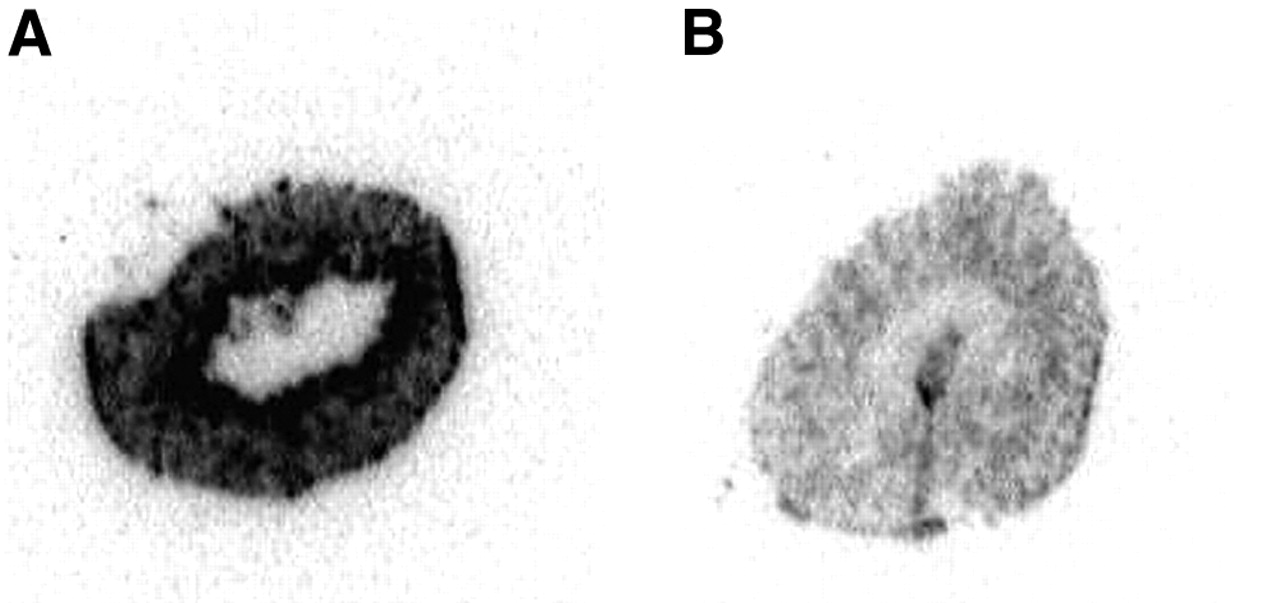
Figure 3 shows ex vivo autoradiograms of megalin-deficient and megalin-expressing kidneys at 3 h after injection of [111In-DTPA]octreotide in male mice. Radioactivity was not homogeneously distributed in the megalin-expressing kidneys, as was shown also on the scintigrams, but localized in the cortex and outer medulla of the kidney. Quantification of the autoradiography data revealed strongly reduced radioactivity in the megalin-deficient kidneys, likely reflecting the residual renal megalin activity in this tissue-specific deficient line (Fig. 4).

Autoradiograms of longitudinal renal sections from megalin-expressing (A) and megalin-deficient (B) kidneys from male mice 3 h after injection of [111In-DTPA]octreotide. Both sections had same (overnight) period of exposure.

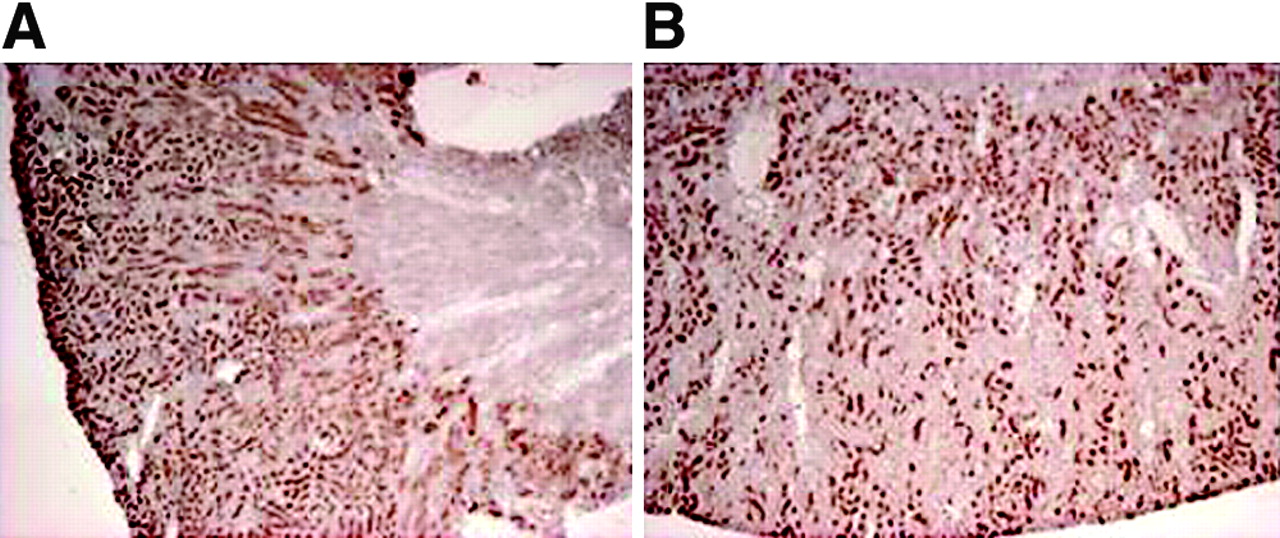
Immunohistology (using primary goat–antirat megalin antibody SC-16478) showing megalin distribution in sections from megalin-expressing (A) and megalin-deficient (B) kidneys from male mice.
Comparison of Renal Uptake in Male and Female Mice
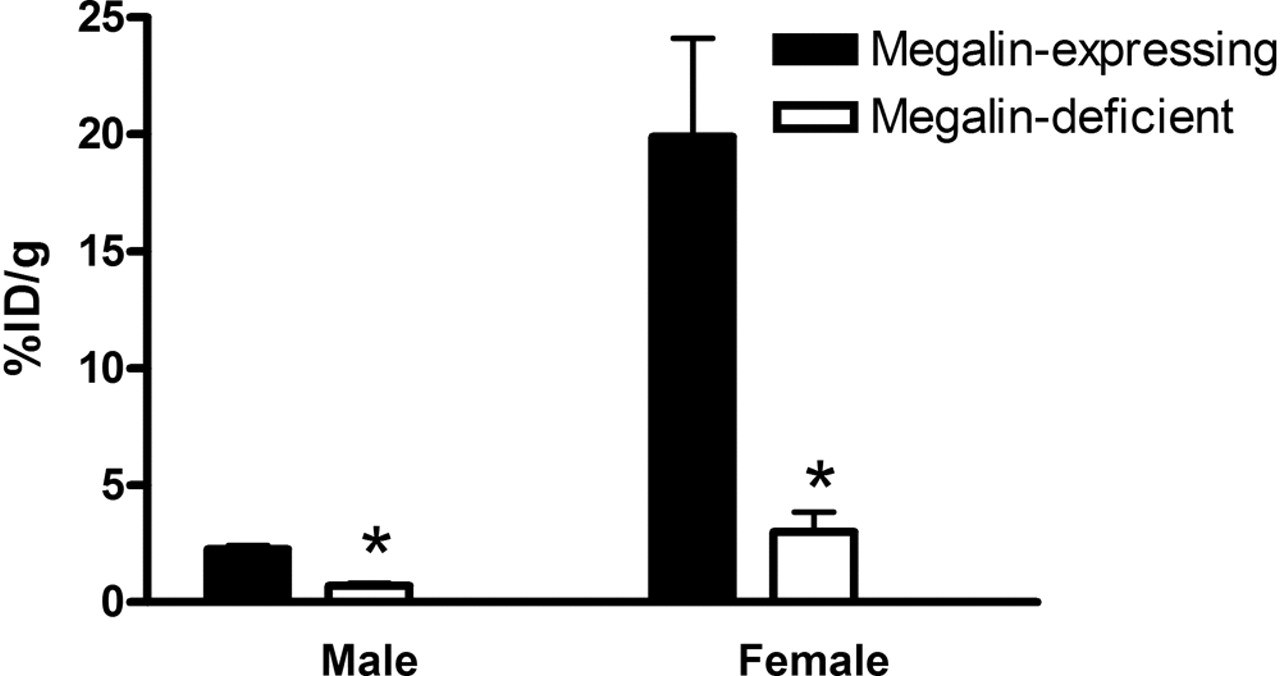
SPECT scintigraphy at 24 h after injection of [111In-DTPA]octreotide is shown for female renal megalin-deficient and female control mice in Figure 5. Renal radioactivity was lower in megalin-deficient kidneys than in megalin-expressing kidneys, in accordance with the data obtained in the male mice. The scintigrams are in agreement with the autoradiography data (Fig. 6) and with biodistribution data obtained after isolation of the organs at 24 h after injection (Fig. 7), indicating significantly lower uptake of [111In-DTPA]octreotide in megalin-deficient kidneys than in megalin-expressing kidneys in both male and female mice (P < 0.001). Renal uptake of [111In-DTPA]octreotide was significantly higher in female than in male kidneys, in both megalin-expressing and megalin-deficient kidneys.

Animal SPECT images of female megalin-expressing (A) and megalin-deficient (B) kidneys 24 h after injection. Images were obtained in a similar way and with the same acquisition time. Collimator width was 0.4 mm. Two acquisitions of 15 min each were performed, the bed being shifted by 1.22 mm between the 2 acquisitions. Reconstructions were performed using the maximum-likelihood expectation maximization algorithm without attenuation correction, scatter correction, or spatial resolution recovery.
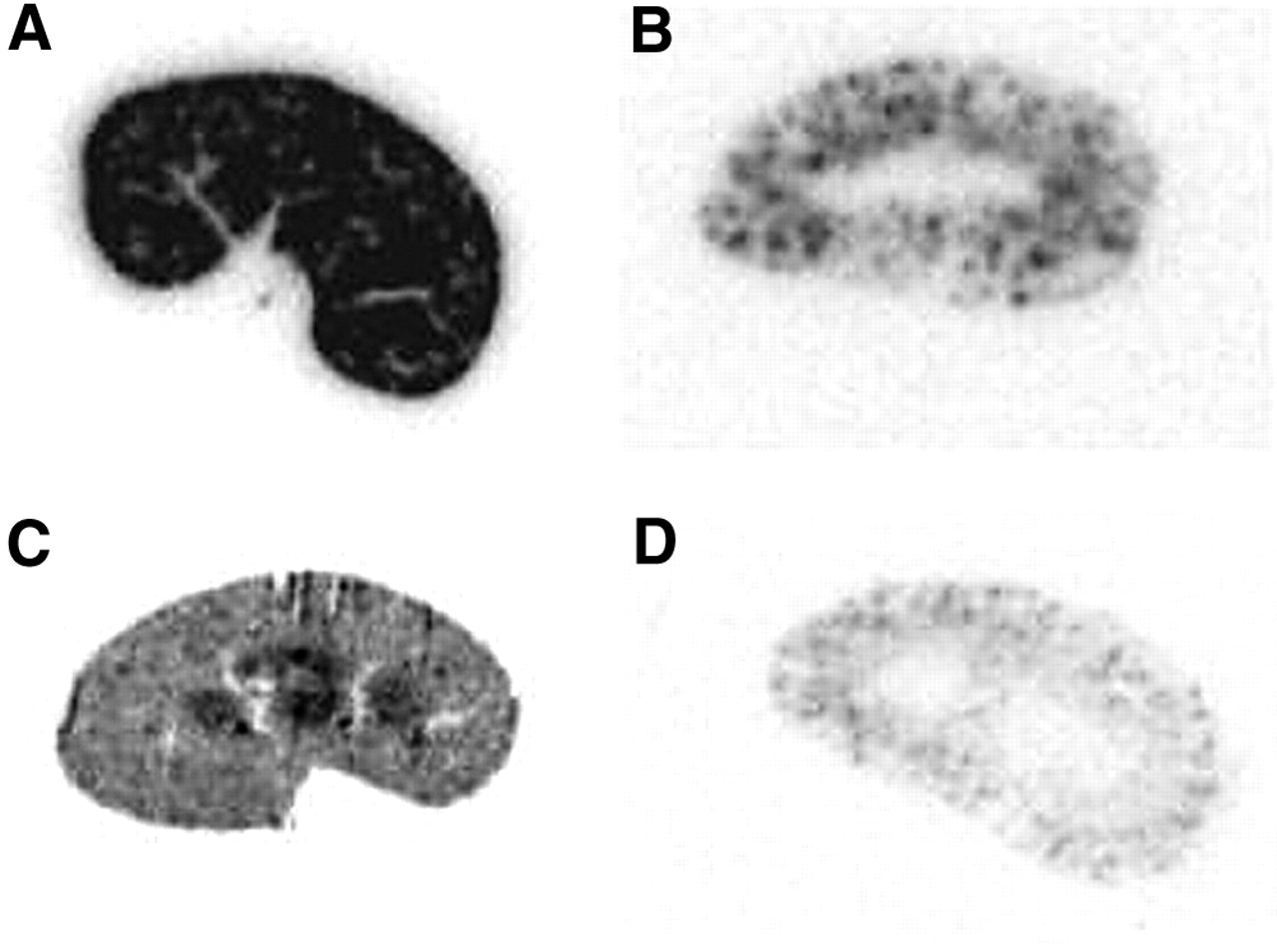
Autoradiograms of longitudinal renal sections from female (A and B) and male (C and D) mice having megalin-expressing (A and C) or megalin-deficient (B and D) kidneys. Images were obtained 24 h after injection of [111In-DTPA]octreotide. All sections had the same (overnight) period of exposure.
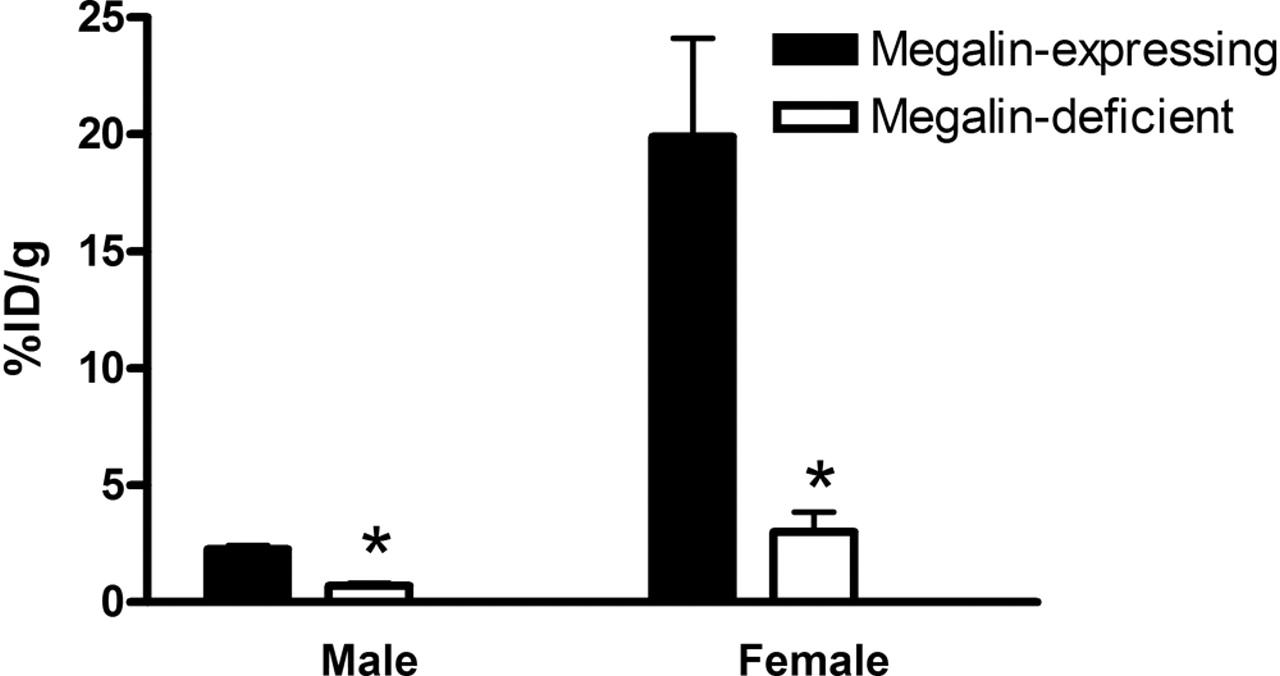
Renal uptake of [111In-DTPA]octreotide in renal megalin-deficient and megalin-expressing male and female mice 24 h after intraperitoneal injection. Uptake is expressed as percentage injected dose per gram of kidney (%ID/g) (mean and SD, n = 2–6 for each group). *P < 0.001 vs. megalin-expressing kidneys.
DISCUSSION
After intravenous administration to patients, radiolabeled DTPA- or DOTA-chelated somatostatin analogs accumulate in receptor-positive tumors, and radioactivity clears rapidly from the blood via the kidneys. Because part of the radiolabeled analogs is reabsorbed after glomerular filtration, retention in the kidney is substantial (3,24,25). This renal uptake and retention is the major dose-limiting factor in PRRT using these somatostatin analogs, and lowering the renal accumulation will allow larger activities to be administered, thereby enlarging the therapeutic window of PRRT using somatostatin analogs. It has been shown that renal uptake of radiolabeled octreotide in rats is reduced by positively charged amino acids such as lysine and arginine; about a 50% reduction is obtained by a single intravenous administration of 400 mg of l- or d-lysine per kilogram of body weight in rats (12). Therefore, during PRRT using somatostatin analogs, an infusion containing the positively charged amino acids l-lysine and l-arginine can be given to patients during and after infusion of the radiopharmaceutical to reduce renal uptake. Various protocols have been described, resulting in up to a 55% reduction in renal uptake of radioactivity, thereby allowing a higher administered dose (4,13–15). The mechanism of this renal protection by amino acids has not been fully elucidated. The positively charged amino group in the amino acids seems to be essential to achieve the protective effect in the kidney.
With regard to localization of renal radioactivity in rats, we recently found that most renal radioactivity after injection of radiolabeled somatostatin analogs appeared to be retained in the proximal tubules of the renal cortex, whereas no radioactivity was present in the glomeruli or distal tubules (17). Less radioactivity than in the cortex was present in the outer medulla, whereas no radioactivity was found in the inner medulla and pelvis of the kidney. Our conclusion that radioactivity is not homogeneously distributed in rat kidneys is consistent with the results of a recent study on human kidneys (26) and with the results from the present study on mice. Here, we also encountered a significant difference in renal uptake between male and female mice, in accordance with earlier findings (27).
The molecular mechanism of the uptake of radiolabeled octreotide analogs in renal proximal tubules has not been clarified. Megalin is a negatively charged 600-kDa type I transmembrane glycoprotein belonging to the low-density-lipoprotein receptor family. It is present on the microvilli and apical membrane of proximal tubules and is a scavenger receptor for tubular reabsorption of many ligands, predominantly proteins and peptides (18,19). Therefore, we hypothesized that megalin is the receptor responsible for the renal retention of radiolabeled somatostatin analogs, and previous in vitro studies using opossum kidney cells and in vivo studies in rats were consistent in finding a role for megalin in reabsorption of radiolabeled octreotide (16,17).
The present study demonstrated by the use of megalin-deficient mice that the endocytic receptor megalin is indeed essential for renal reabsorption of [111In-DTPA]octreotide, because megalin-deficient mice showed severely impaired renal tubular uptake of this analog (70%–85% reduction of uptake). The Cre-mediated inactivation of the megalin gene in these (megalinlox/lox; apoECre) mice did not result in complete cessation of renal megalin expression (Fig. 4), possibly accounting for the residual renal uptake of [111In-DTPA]octreotide found in the megalin-deficient mice.
The vast extracellular domains of megalin can accommodate a variety of ligands. Therefore, it seems plausible that megalin, together with the multiligand receptor cubilin, facilitates uptake of many proteins and peptides, including radiolabeled somatostatin analogs, from the primary filtrate in the kidney. This possibility is supported by the finding of low-molecular-weight proteinuria in megalin-deficient mice (20).
CONCLUSION
This study revealed the molecular mechanism of [111In-DTPA]octreotide uptake in the renal proximal tubule cells involving the endocytic receptor megalin. Identification of the receptors for tubular uptake of [111In-DTPA]octreotide may be essential for development of new strategies to reduce renal uptake of these radiolabeled peptides.
Acknowledgments
The authors thank the members of COST B12 action, working group 3, for their collaboration and fruitful discussions.
Footnotes
Received Apr. 30, 2005; revision accepted Jun. 9, 2005.
For correspondence or reprints contact: Marion de Jong, PhD, Department of Nuclear Medicine, Erasmus MC Rotterdam, dr Molewaterplein 40, Rotterdam, 3015 gd, The Netherlands.
E-mail: m.hendriks-dejong{at}erasmusmc.nl
REFERENCES
In this issue



Jump to section
Related Articles
Cited By...
- Reduced Renal Uptake of Various Radiopharmaceuticals with Sodium Paraaminohippurate Coadministration in a Rat Model
- Theranostic Radiolabeled Anti-CD20 sdAb for Targeted Radionuclide Therapy of Non-Hodgkin Lymphoma
- Durable Pharmacological Responses from the Peptide ShK-186, a Specific Kv1.3 Channel Inhibitor That Suppresses T Cell Mediators of Autoimmune Disease
- Different Radioactivity Uptake between Somatostatin Analogues Labelled with 111In and 90/88Y in Rat Kidney
- Renal Toxicity of Radiolabeled Peptides and Antibody Fragments: Mechanisms, Impact on Radionuclide Therapy, and Strategies for Prevention
- Nephrotoxicity in Mice After Repeated Imaging Using 111In-Labeled Peptides
- Biodistribution of Two Octreotate Analogs Radiolabeled with Indium and Yttrium in Rats
- Reducing Renal Uptake of Radiolabeled Peptides Using Albumin Fragments
- Indication for Different Mechanisms of Kidney Uptake of Radiolabeled Peptides
- Inhibition of Kidney Uptake of Radiolabeled Somatostatin Analogs: Amino Acids or Gelofusine?
- 177Lu-AMBA: Synthesis and Characterization of a Selective 177Lu-Labeled GRP-R Agonist for Systemic Radiotherapy of Prostate Cancer
- Renal Uptake of Radiolabeled Octreotide in Human Subjects Is Efficiently Inhibited by Succinylated Gelatin